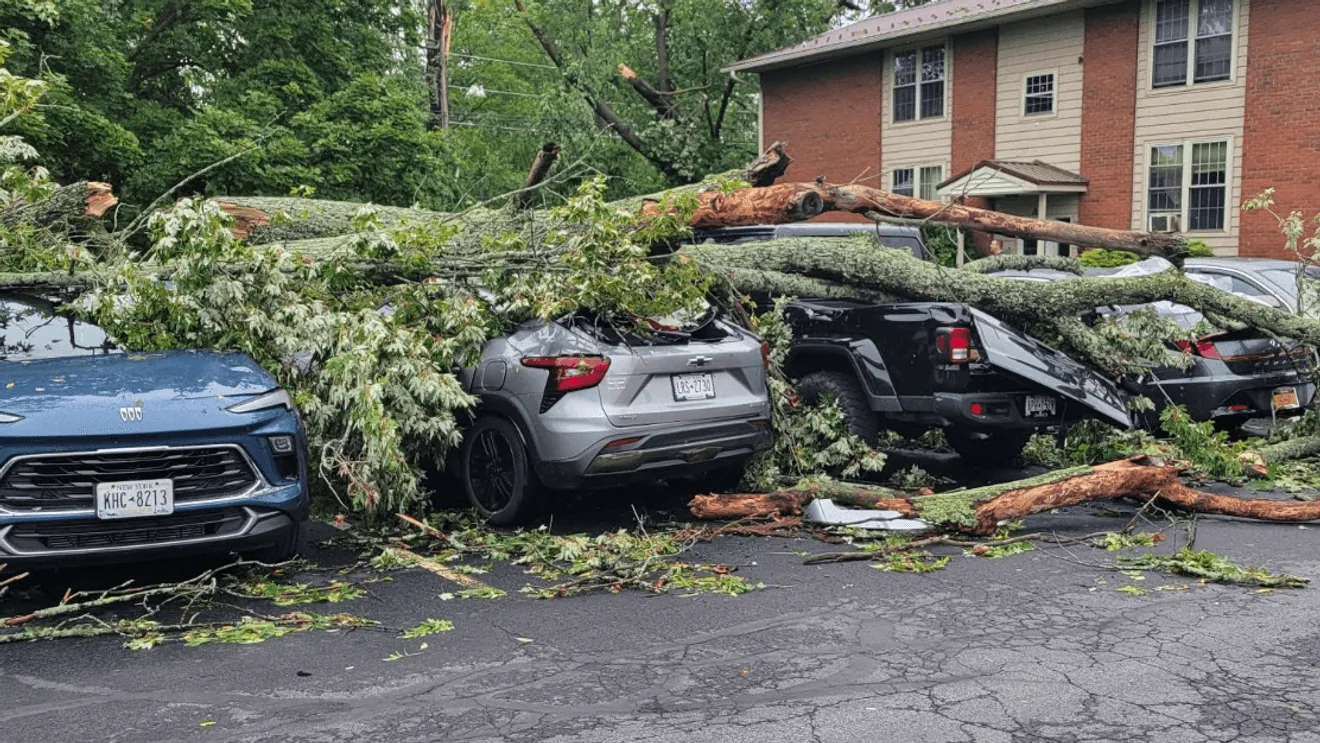




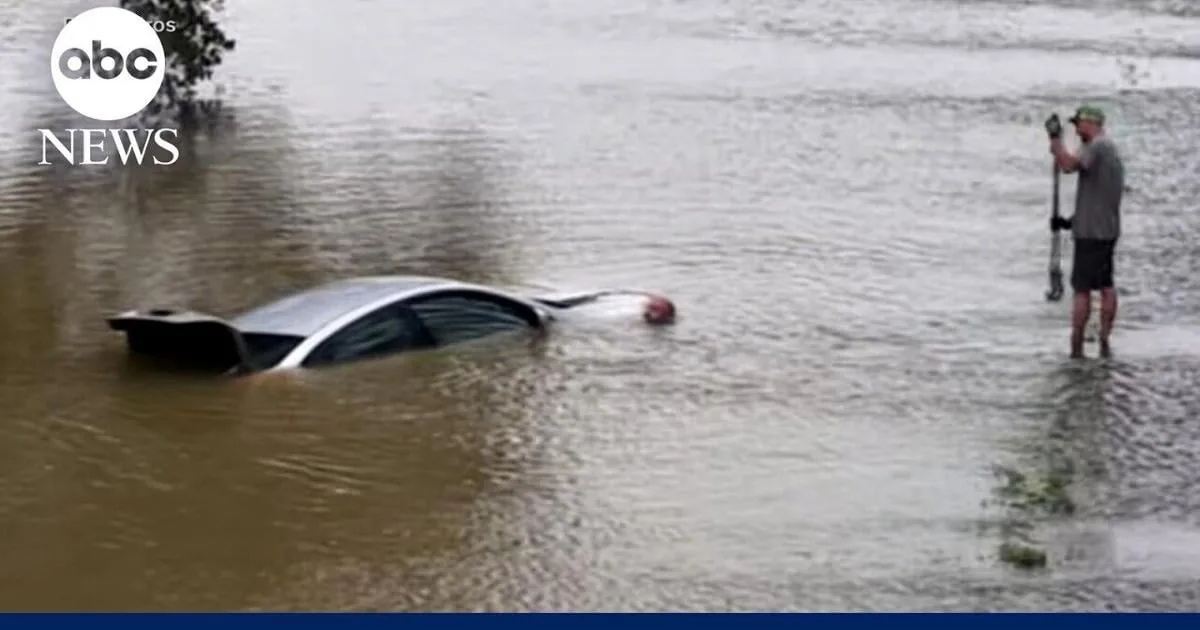
SEATTLE, WA — The remnants of Tropical Storm Edouard unleashed flooding and severe storms across a broad stretch of the United States, with Southeast Texas taking the hardest hit. ABC News reported that the system dumped as much as two feet of rain in parts of the region, leaving homes, streets and other low-lying areas underwater.
The same weather pattern extended far beyond Texas, bringing dangerous conditions from the South into the Northeast. The storm’s reach made it a multi-state event, with impacts reported across a large portion of the country as heavy rain and severe weather moved along the system’s path.
Southeast Texas absorbs the heaviest rain totals
In Southeast Texas, the rainfall totals were extreme enough to overwhelm drainage systems and flood vulnerable neighborhoods. ABC News said some places received up to two feet of rain, a level that can quickly turn roads into waterways and make travel hazardous or impossible.
Flooding on that scale also raises concerns about damaged property and emergency response needs, especially when storms linger and keep rain falling over already saturated ground. The report did not provide a full count of affected homes or injuries, but the depth of the water made clear the seriousness of the event in the region.
Severe weather reaches a wide band of states
The storm was not confined to Texas. Conditions associated with the remnants of Edouard stretched from Texas to New York, showing how a tropical system can remain dangerous even after losing its original structure.
As the weather moved east, it brought flooding and severe storms to areas far from the Gulf Coast. That broad footprint is part of what made the system notable: one storm produced problems across multiple regions, affecting communities that may have been dealing with rain, wind and flooding at the same time.
Why leftover tropical systems can still be dangerous
Even after a tropical storm weakens, its leftover moisture can still produce intense rain over a large area. In this case, Edouard’s remnants carried enough water to cause major flooding and severe storms well away from the storm’s original location.
That can create a wide range of hazards, including fast-rising water, dangerous driving conditions and storms that develop along the system’s edge. ABC News identified the rain as coming from the remnants of the storm, underscoring that the main threat shifted from wind to water as the system moved inland and eastward.
Coverage centered on the storm’s immediate impacts
The broadcast focused on the weather’s effects rather than on long-term recovery, and it did not give a detailed damage estimate. What it did make clear was that the flooding was widespread enough to dominate the day’s weather coverage and prompt attention across several states.
With severe storms also in the mix, the event carried risks beyond standing water alone. Heavy rain can cut off roads, delay travel and strain local response efforts, especially when it arrives over such a large area in a short period of time.
A broad storm event with national implications for travelers
Because the weather stretched from Texas to New York, it had implications for people moving through airports, highways and local road networks across multiple regions. A storm of that size can disrupt plans far from the center of the flooding, especially when thunderstorms and heavy rain arrive in different waves.
The ABC News report did not list specific delays or closures, but the combination of flooding and severe storms suggests a major disruption to daily routines in affected areas. For many communities, the immediate concern was not just rain, but whether streets, homes and transportation routes could stay safe as the system passed through.